
Striped Bass Catch Lake Hartwell Townville SC
Striped Bass Fishing on Lake Hartwell - What to Expect
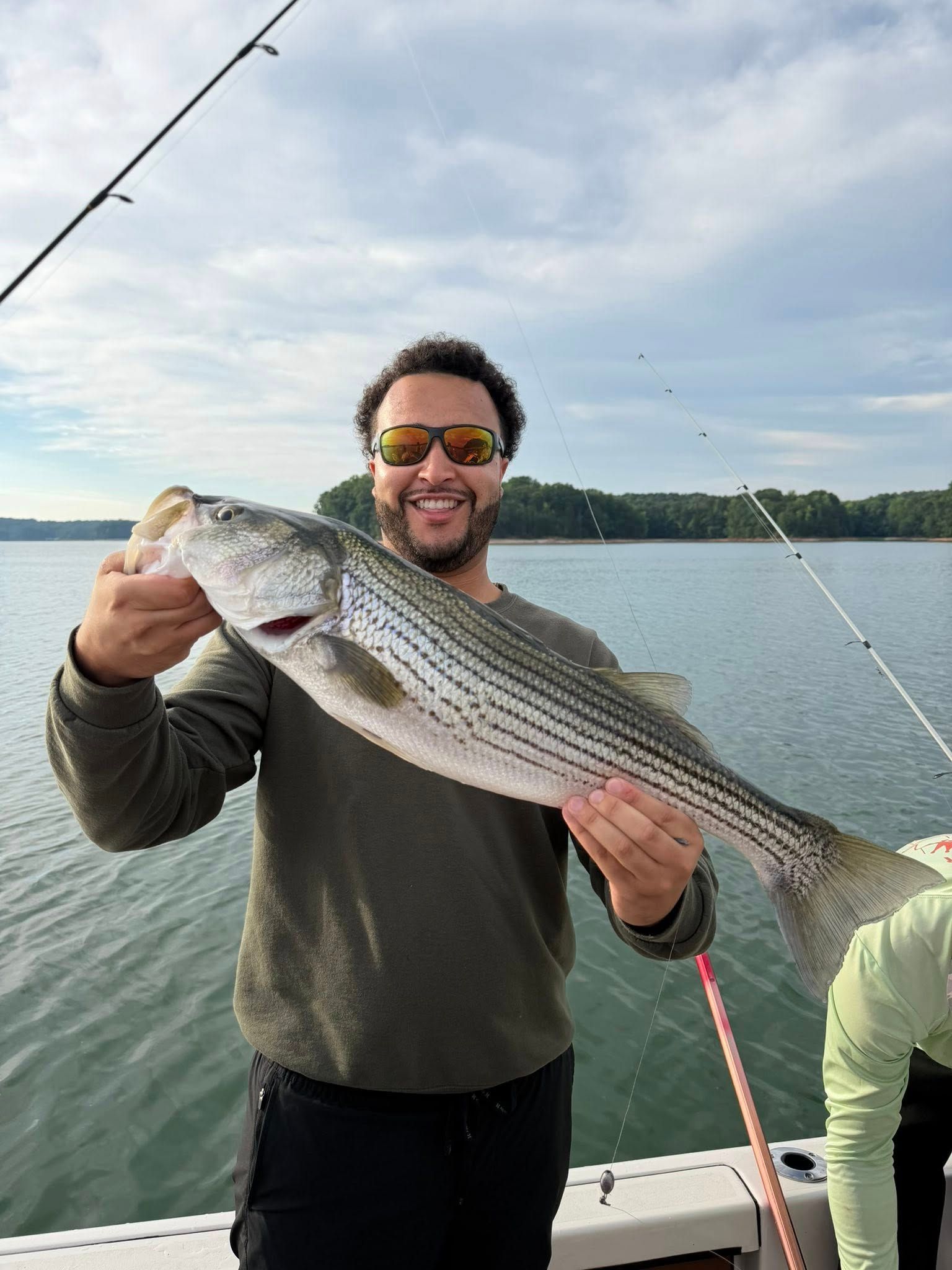
Guided Fishing Trip by Guide Fisher Fleming in June
- Explore Exciting Fishing Charter South Carolina!


Summary
Join a guided fishing trip on Lake Hartwell near Townville, SC, where anglers chase powerful striped bass in one of the Southeast's premier fishing destinations. This Tuesday in June delivered an exciting catch that showcases the explosive action and skill required to land these hard-fighting trophy fish in South Carolina waters.
Guided Fishing with Fisher Fleming - Rates & Booking
Guide Fisher Fleming of Kingfishers Guide Service delivered an explosive striped bass catch on Tuesday, June 16th on Lake Hartwell. This guided fishing trip showcases the kind of thrilling action anglers can experience when pursuing these powerful fish in Townville, SC waters. Fisher brings years of local expertise targeting striped bass and other species throughout the lake's dynamic ecosystem. To book your own adventure and learn about trip rates, contact Kingfishers Guide Service directly to reserve your spot on the water.
Highlights of Lake Hartwell Striped Bass Fishing
Lake Hartwell presents an incredible opportunity to tangle with one of freshwater's most explosive fighters. Striped bass demand precision, technique, and the right conditions - and when everything aligns, the results are adrenaline-pumping action. The catch shown here demonstrates the caliber of fish available in these waters throughout the season. What makes this location special is the combination of ideal habitat, consistent fish populations, and guides who know exactly where and how to find them.
The energy of landing a striped bass is unforgettable. These fish hit hard, run strong, and test your equipment and skill from the moment they take the line. Whether you're an experienced angler or stepping onto the boat for your first striped bass hunt, Lake Hartwell delivers that heart-pounding moment when a trophy fish commits to your bait.
Local Species Insights: Striped Bass on Lake Hartwell
Striped bass thrive in Lake Hartwell's deep structure and open water. These migratory fish move throughout the year based on water temperature, oxygen levels, and bait availability. In warmer months, they often suspend at various depths, requiring anglers to adjust their approach based on conditions. Striped bass are aggressive predators that respond to live bait, shad imitations, and crankbaits - and when they commit, the strike is violent and immediate.
What makes striped bass fishing so thrilling is their unpredictability combined with their sheer power. A twenty-to-thirty-pound striped bass will test your drag, bend your rod, and demand quick reflexes and steady pressure. They're known for explosive surface runs and deep head-shaking battles. Lake Hartwell's particular structure - with channels, drops, and shallow flats - creates perfect hunting grounds where stripers congregate and feed aggressively.
Guide Fisher Fleming knows these patterns intimately. He understands how seasonal changes affect fish location, what baits produce results in current conditions, and how to read the water to pinpoint where stripers are holding. This knowledge transforms a fishing trip from a pleasant day on the water into a focused, productive hunt where catches like the one pictured become possible.
The guided trip format offers massive advantages over going solo. Your guide handles navigation, equipment setup, and real-time decision-making while you focus on the fight. You'll learn techniques, see productive water patterns, and develop the skills needed for future success on Lake Hartwell.
Fishing in Lake Hartwell: Striped Bass
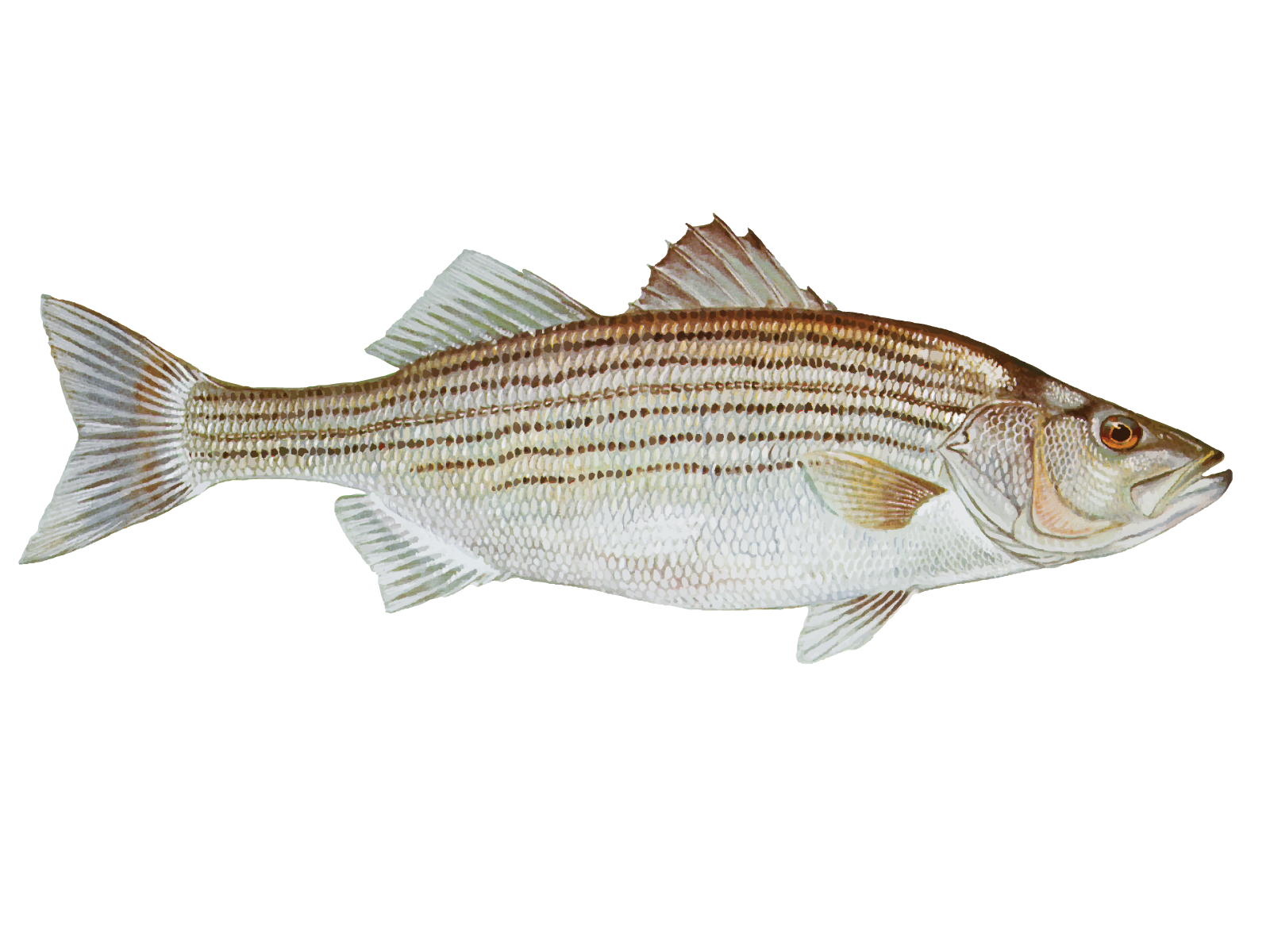
Striped Bass Overview
The Striped Bass (Morone saxatilis), belonging to the family Moronidae and order Perciformes, is one of North America's most celebrated game fish. Known affectionately as "stripers" or "linesiders," these powerful swimmers are instantly recognizable by their distinctive seven to eight dark horizontal stripes running down their silver-green bodies. With colors ranging from light olive to dark brown and black, topped with a shimmering white belly, the Striped Bass is a true trophy for recreational and commercial anglers alike. Found across diverse waters from the Atlantic coast to inland lakes and rivers, these remarkable fish have become legendary in fishing communities from New England to California, thriving in both saltwater and freshwater environments thanks to their remarkable adaptability.
Striped Bass Habitat and Distribution
Striped Bass naturally inhabit coastal waters along the Atlantic Ocean, ranging from Canada all the way south to the Gulf of Mexico. However, their popularity as a game fish has led to widespread introduction across North America, making them available in most major water bodies including rivers, lakes, and coastal areas. The Chesapeake Bay in Maryland stands as the premier striped bass producer, while the Hudson River between New York and New Jersey ranks as the second-most significant population center. On the West Coast, the San Francisco Bay and surrounding coastline offer excellent opportunities, while Colorado's lakes—including Lake Havasu, Lake Mead, Lake Powell, Lake Pleasant, and Lake Mohave—harbor abundant populations. These structure-oriented fish favor areas near reefs, sandbars, drop-offs, and shoreline features where they hunt for prey in moving water, typically remaining within yards of the banks where currents concentrate food sources.
Striped Bass Size and Weight
Striped Bass are impressive specimens that can reach substantial sizes in ideal conditions. Most fish caught by anglers weigh between 20 and 40 pounds, though they commonly grow to 20 inches minimum and up to 55 inches or more in length. The species has been documented reaching weights exceeding 80 pounds, with plump, muscular bodies that make them both visually striking and powerful fighters. Their size varies considerably depending on water temperature, food availability, and age, but what's consistent is their solid build—these aren't slender fish, but rather hefty powerhouses built for strength and endurance in variable water conditions.
Striped Bass Diet and Behavior
As voracious predators, Striped Bass feed primarily on smaller fish including herring, menhaden, mackerel, anchovies, and shad, along with other protein sources like eels, squid, and crustaceans. They're most active during low-light periods—dawn and dusk—when they move into shallower waters to feed. These fish are known for their finicky nature, being selective about what baits they'll accept, though live bait generally outperforms dead offerings because of the natural movement and vibrations that attract their attention. Despite their impressive size and strength, stripers aren't particularly fast swimmers, making them reasonably approachable for skilled anglers. They're also known to create spectacular feeding frenzies, especially during migration periods when they gorge themselves on baitfish pods before traveling long distances.
Striped Bass Spawning and Seasonal Activity
One of the most fascinating aspects of Striped Bass biology is their anadromous nature—they spawn in freshwater despite spending most of their adult lives in saltwater. Each spring, they undertake remarkable migrations, traveling from deeper Atlantic waters off Virginia and North Carolina northward toward spawning grounds in rivers and estuaries like the Delaware River, Hudson River, and Chesapeake Bay. Many populations continue their spring journey all the way to the cool waters of New England and beyond into Canadian territories. These fish prefer moderate temperatures between 55°F and 68°F, so they migrate long distances—sometimes up to 2,000 miles during their lifetime—to maintain their preferred thermal range. In fall, as water temperatures cool, hungry stripers move south again, creating legendary fall migration fishing periods when they aggressively feed to build energy reserves for winter. This migration cycle creates predictable "windows of opportunity" for anglers who understand the species' temperature-driven movements.
Striped Bass Techniques for Observation and Capture
Live Bait Method: Cast live herring, menhaden, mackerel, anchovies, or eels along moving water near structures such as bridge pilings, sandbars, and drop-offs. Fish early morning or late afternoon from piers, bulkheads, or while wading in the surf. The natural movement of live bait triggers strikes from even the most cautious stripers. Around the Chesapeake Bay, live bait drifted through deep channels during slack tide produces excellent results year-round.
Casting and Lure Technique: Use 8- to 14-foot rods with sensitive braided line (monofilament should test at least 20 pounds) to cast artificial lures or live bait into areas where current meets structure. Focus on transitions where shallow water drops off into deeper channels, as stripers patrol these boundaries hunting for disoriented prey. Strip your lure with jerky, erratic movements to mimic wounded baitfish.
Sight Fishing During Migration: During fall migration periods, watch for "baitfish volcanoes"—explosive disturbances at the water's surface where stripers drive baitfish upward. Also watch for diving birds and whale activity, as these natural indicators reveal feeding frenzies. Position yourself upwind or upcurrent from the action and cast into the outer edges of the chaos for best results.
Striped Bass Culinary and Nutritional Notes
Striped Bass is excellent eating, prized for its plump, meaty white flesh and distinctly sweet, delicate flavor reminiscent of its close relative, the Black Sea Bass. Beyond taste, stripers offer impressive nutritional benefits—a 100-gram serving provides approximately 20 grams of high-quality protein and roughly 0.5 grams of omega-3 fatty acids. These essential fatty acids reduce inflammation, support brain function, and help lower cardiovascular disease risk. The fish's firm texture makes it versatile in the kitchen, adapting well to grilling, pan-searing, baking, or poaching. Many chefs prize striped bass fillets for sushi, ceviche, and sophisticated seafood preparations. From a sustainability perspective, farm-raised hybrid striped bass and properly regulated wild catches represent responsible seafood choices when sourced from managed fisheries with size and harvest limits protecting wild populations.
Striped Bass Frequently Asked Questions
Q: What is the best bait for catching Striped Bass?
A: Live bait significantly outperforms dead offerings. Herring, menhaden (bunker), mackerel, eels, anchovies, shad, squid, and bloodworms all work well. The key is fresh, lively bait that creates vibrations and natural movement patterns that trigger predatory responses. Live eels are particularly effective in rivers and around structures.
Q: Where can I find Striped Bass near major fishing destinations?
A: The Chesapeake Bay region offers year-round opportunities with consistent populations. The Hudson River between New York and New Jersey provides excellent spring and fall fishing. Cape Cod, Massachusetts experiences legendary fall runs. West Coast anglers should target San Francisco Bay and Lake Havasu in Arizona. Most major rivers and reservoirs across North America now host established populations.
Q: Is Striped Bass good to eat?
A: Absolutely. Striped Bass is considered a delicacy with sweet, tender white meat that works beautifully in countless preparations. The high protein content and omega-3 fatty acids make it both delicious and nutritious. Many consider it superior to other bass species in terms of culinary quality and health benefits.
Q: When is the best time to catch Striped Bass?
A: You can fish for stripers year-round, but spring (spawning runs) and fall (migration feeding frenzies) provide peak action. Early morning and late afternoon consistently produce better results than midday. Dusk-to-dawn periods are particularly productive as stripers move into shallower feeding zones during low-light hours.
Q: What rod and reel setup do I need for Striped Bass?
A: Use 8- to 14-foot rods with braided line testing at least 20 pounds for strength and sensitivity. Braided line's minimal stretch helps with hook-setting and feel, though quality monofilament works if you ensure adequate test strength. Spinning or conventional reels both work well depending on your fishing style and location.
Q: Why are they called "Stripers"?
A: The name derives directly from the distinctive seven to eight dark horizontal stripes running along their bodies from behind the gills to the tail base. These striking markings make them instantly identifiable and have earned them the affectionate nickname "stripers" among fishing communities.